
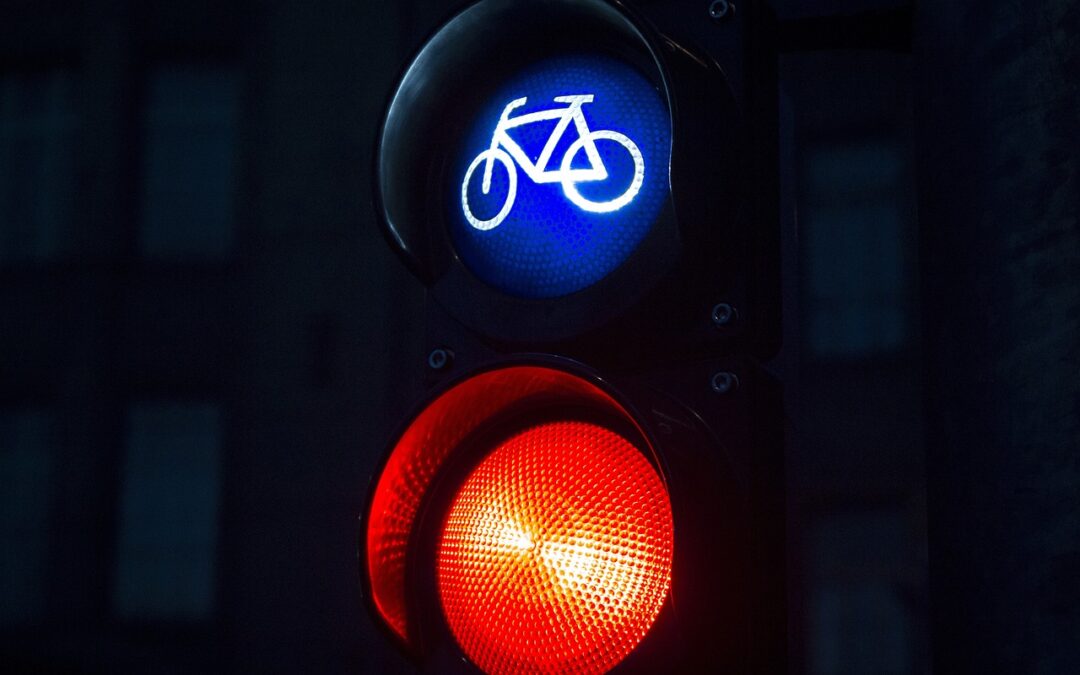
Ever wonder what’s really going on inside those traffic signal boxes? It’s more than just blinking lights; there’s a whole sophisticated system at work, and it’s all thanks to traffic signal controllers. Let’s dive into the fascinating world of these unsung heroes of our roads.
The Brains Behind the Lights: Understanding Traffic Signal Controllers
Traffic signal controllers are the central nervous system of any intersection. They’re the electronic brains that dictate when and how long the lights stay red, yellow, or green. These aren’t simple on/off switches; they’re complex systems that manage traffic flow based on a variety of factors. Think of them as miniature traffic management experts, working tirelessly to keep things moving smoothly.
They’re usually housed in weatherproof cabinets, often located near the intersection they control. These cabinets protect the delicate electronics inside from the elements, ensuring consistent performance. Inside, you’ll find a mix of hardware and software working in perfect harmony.
How They Work: More Than Just Timers
You might think traffic signals simply cycle through a pre-set timer, but it’s far more intricate than that. Modern controllers use a combination of pre-programmed timing plans and real-time adjustments. They might use fixed-time plans for intersections with predictable traffic patterns, like a quiet residential area. However, for busy intersections, they often incorporate adaptive control strategies.
Adaptive control systems use sensors to monitor traffic volume and speed. These sensors can be embedded in the road surface or positioned overhead. The data gathered helps the controller adjust signal timing dynamically, optimizing traffic flow based on real-time conditions. Imagine a sudden increase in traffic on one approach; the controller will adjust the timing to give that approach more green time, reducing congestion.
Types of Traffic Signal Controllers: A Variety of Options
There’s not a one-size-fits-all solution when it comes to traffic signal controllers. Different types exist, each designed to meet specific needs. Some controllers are simple and relatively inexpensive, suited for low-traffic intersections. Others are highly sophisticated, capable of handling complex traffic patterns and integrating with other systems.
For example, some controllers incorporate vehicle detection systems that identify the presence and type of vehicles approaching the intersection. This allows for preferential treatment of certain types of vehicles, such as emergency vehicles or buses, ensuring rapid and safe passage. This level of sophistication is especially crucial in high-traffic urban areas.
The Importance of Maintenance and Upgrading
Like any complex system, traffic signal controllers require regular maintenance. This includes routine inspections, software updates, and hardware replacements. Neglecting maintenance can lead to malfunctions, causing traffic delays and even accidents. Regular inspections ensure that all components are functioning correctly, preventing potential issues before they escalate.
Furthermore, technological advancements continuously improve the capabilities of traffic signal controllers. Upgrading to newer models can significantly enhance traffic management, improving efficiency and safety. For example, older controllers might lack the capabilities of newer adaptive systems, leading to suboptimal traffic flow. Investing in upgrades is often a worthwhile investment in improved infrastructure.
The Future of Traffic Signal Control: Smart Intersections and Beyond
The future of traffic management is increasingly interconnected and intelligent. We’re moving towards “smart intersections,” where traffic signal controllers communicate with each other and other intelligent transportation systems. This allows for coordinated traffic flow across wider networks, optimizing traffic across entire cities.
Imagine a system where traffic signals anticipate and respond to events like accidents or road closures, automatically rerouting traffic to minimize disruption. This level of intelligent control is becoming increasingly feasible with advances in technology and data analytics. This integration also opens doors to improved data collection, allowing for better traffic planning and infrastructure development.
Choosing the Right Controller for Your Needs
Selecting the appropriate traffic signal controller depends on several factors. Consider the traffic volume, the complexity of the intersection, and your budget. For simple intersections with low traffic, a basic fixed-time controller might suffice. However, for complex intersections or areas with significant traffic congestion, an adaptive controller with advanced features is likely necessary. Consulting with traffic engineering professionals is crucial to ensure you choose the right system for your specific needs. They can assess your intersection’s unique characteristics and recommend the most suitable controller.
Conclusion: A Vital Part of Modern Infrastructure
Traffic signal controllers are far more than just timers; they’re essential components of a well-functioning transportation system. Understanding their operation, maintenance needs, and the potential for future advancements is crucial for ensuring efficient and safe traffic flow. Whether you’re a city planner, a traffic engineer, or simply a curious driver, appreciating the intricate work these systems perform helps us better understand the complexities of modern urban life. So, the next time you’re stopped at a red light, take a moment to appreciate the sophisticated technology working hard to get you on your way.
Related: Pedestrian Crossing Signals
Related: About Eltec – Updates
Further reading: Wikipedia · Britannica