
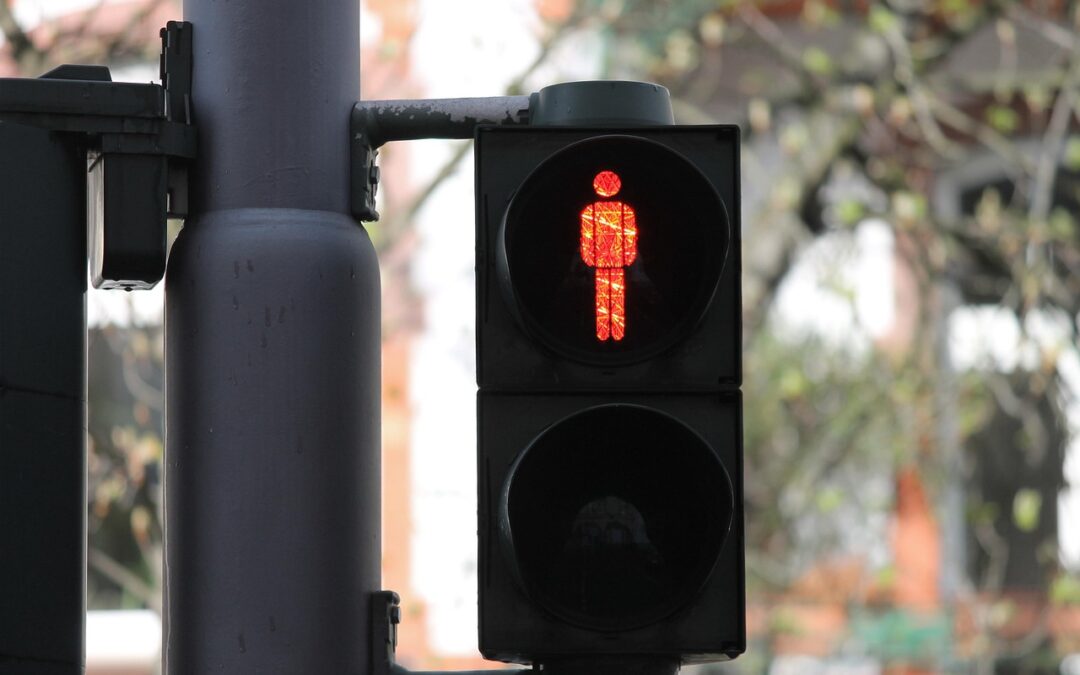
Ever wondered about those blinking lights and little hand signals that govern our pedestrian crossings? They seem simple, but there’s a surprising amount of technology and careful design behind those seemingly mundane devices. Let’s delve into the fascinating world of pedestrian crossing signals.
Decoding the Signals: More Than Meets the Eye
We’ve all been there. You’re standing at a crosswalk, impatiently waiting for that little walking person to appear, signaling your safe passage across the street. But have you ever stopped to think about what makes that signal work? It’s more than just a simple light; it’s a sophisticated system designed to ensure our safety. The signals themselves are only one piece of a larger puzzle that includes detection sensors, control systems, and communication networks.
The Evolution of Pedestrian Signals
Early pedestrian signals were remarkably simple – often just a manually operated bell or a flag. Imagine that! No flashing lights, no countdown timers, just a person waving a flag or ringing a bell to halt traffic. The evolution to the automated systems we know today is a testament to technological advancement and a growing awareness of pedestrian safety. This transition reflects a societal shift in prioritizing pedestrian well-being.
How Pedestrian Signals Work: A Simplified Explanation
The process starts with detection. Sensors, often embedded in the pavement, detect the presence of pedestrians waiting to cross. These sensors trigger a signal to the traffic control system. This system then analyzes traffic flow and determines when it’s safe to grant pedestrians right of way. The signal is then sent to the pedestrian crossing signal, causing the familiar “walk” signal to illuminate.
The Technology Behind the Walk Signal
Modern pedestrian crossing signals are far more advanced than their predecessors. Many incorporate countdown timers, giving pedestrians a clear indication of how much time they have to cross safely. Some even feature audible signals for visually impaired pedestrians. The technology behind these signals is constantly evolving, with improvements in sensor technology, communication protocols, and signal design leading to safer and more efficient crossings.
The Role of Companies Like Eltec
Companies like Eltec play a crucial role in developing and maintaining this infrastructure. They design and manufacture the hardware components, such as the signal heads themselves, the control cabinets, and the communication systems. Their expertise ensures the reliable operation of pedestrian signals, contributing significantly to road safety. Eltec’s commitment to innovation is evident in their advanced signal designs, incorporating features like improved visibility and enhanced durability. Their products often integrate seamlessly with existing traffic management systems, improving overall efficiency.
Beyond the Basics: Advanced Features and Considerations
Beyond the standard “walk” and “don’t walk” signals, there are several advanced features incorporated into modern pedestrian crossing systems. These include features specifically designed to improve safety for vulnerable road users, such as children and the elderly. For instance, some systems prioritize pedestrian crossings during peak hours or school times, ensuring that vulnerable groups have ample time to cross safely.
Accessibility and Inclusivity in Design
The design of pedestrian crossing signals is increasingly focused on accessibility and inclusivity. Audible signals are becoming increasingly common, providing auditory cues for visually impaired pedestrians. Larger, more easily visible signals are also being implemented, improving visibility for individuals with low vision. These improvements reflect a broader societal commitment to creating safer and more inclusive transportation environments.
Maintaining Safety: Regular Inspections and Maintenance
The smooth and safe operation of pedestrian crossing signals depends heavily on regular maintenance and inspections. Regular checks are crucial to ensure that the signals are functioning correctly, that sensors are detecting pedestrians reliably, and that the entire system is operating as intended. Neglecting maintenance can lead to malfunctions, which can create hazardous situations for pedestrians. This highlights the importance of ongoing investment in infrastructure maintenance.
The Future of Pedestrian Crossing Signals
The future of pedestrian crossing signals is likely to be shaped by technological advancements. We can expect to see further integration of smart technologies, leading to more efficient and responsive systems. The development of advanced sensor technologies could lead to improved pedestrian detection, reducing the risk of accidents. Furthermore, the increasing use of data analytics could help optimize signal timings, making crossings safer and more efficient.
Taking Action: Your Role in Pedestrian Safety
While technology plays a critical role, our individual actions also significantly impact pedestrian safety. Always obey the signals, be aware of your surroundings, and make eye contact with drivers before crossing. If you notice a malfunctioning signal, report it to the appropriate authorities. By being responsible and vigilant, we can all contribute to creating safer pedestrian crossings for everyone. Remember, a functioning and well-maintained pedestrian crossing signal is a key component of a safe and efficient transportation network. Let’s all do our part to ensure these vital systems continue to protect us.
Related: About Eltec – Updates
Related: Flood Warning Systems
Further reading: Wikipedia · Britannica