
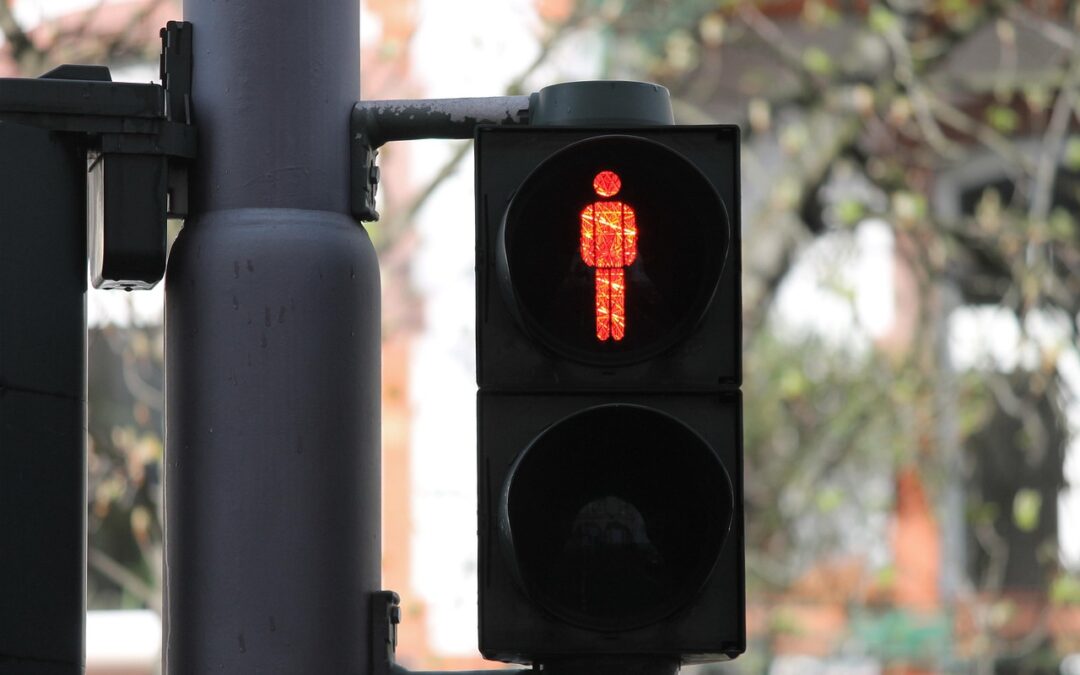
Ever wondered why some pedestrian crossings feel safer than others? It’s not just about the paint on the road; it’s about the signals themselves. Let’s dive into the world of pedestrian crossing signals, exploring what makes some effective and others… well, less so. This mini case study will show you what to copy and, importantly, what to skip when designing or improving your local crossings.
Decoding the Walk Signal: A Case Study of Two Crossings
I recently compared two pedestrian crossings near my home. One, a busy intersection near a school, felt consistently stressful. The other, a quieter residential crossing, felt remarkably safe and efficient. The difference? Mostly, the signals.
The first crossing, near the school, had short walk signals, often too short for families with young children or elderly people to comfortably cross. The countdown timer, while present, seemed to vanish too quickly, creating a sense of urgency and potential danger. Pedestrians frequently found themselves rushing to cross, even when cars were still approaching. The signal itself was a standard, somewhat faded, “walking person” symbol.
In contrast, the quieter residential crossing boasted a longer walk signal, sufficient for even a leisurely pace. The countdown timer was prominently displayed and easy to read, even from a distance. Moreover, the signal included a supplementary audible signal – a gentle beep – which alerted visually impaired pedestrians. The signal itself was bright and clearly visible, even in low light.
What to Copy from the Successful Crossing
Several key elements made the residential crossing significantly more effective. Let’s break them down:
Longer Walk Signal Timing
This is paramount. Signal timing should be based on the actual time needed to safely cross the road, considering the width of the road, the speed of traffic, and the typical pedestrian pace. Don’t underestimate the time needed, especially for vulnerable groups like children and the elderly. A few extra seconds can make a huge difference in perceived safety.
Clear and Prominent Countdown Timer
The countdown timer isn’t just a nice-to-have; it’s a crucial element of pedestrian safety. A large, easily readable display gives pedestrians a clear sense of the remaining time, allowing them to plan their crossing accordingly and avoid rushing. Consider the visibility of the timer from different angles and distances.
Audible Signals for Accessibility
Incorporating audible signals significantly improves accessibility for visually impaired pedestrians. A simple, consistent beep that starts with the walk signal and ends just before the signal changes is sufficient. Ensure the sound is loud enough to be heard over ambient noise, but not jarring or overwhelming.
Well-Maintained and Highly Visible Signals
A faded or poorly maintained signal is less effective. Ensure the signals are bright, clean, and in good working order. Consider using reflective materials to enhance visibility at night. Regular maintenance is vital for ensuring the continued effectiveness of the pedestrian crossing signals.
What to Skip from the Unsuccessful Crossing
The school crossing highlighted several pitfalls to avoid:
Rushed Walk Signal Timing
Short walk signals create a stressful and dangerous environment. Pedestrians feel pressured to rush, increasing the risk of accidents. Prioritize safe crossing times over efficiency. Remember, a slight delay is far better than an accident.
Poorly Visible or Unclear Countdown Timers
A small, faded, or difficult-to-read countdown timer is practically useless. If the timer isn’t easily visible from a distance, it doesn’t serve its purpose.
Lack of Accessibility Features
The absence of audible signals significantly limits the accessibility of the crossing for visually impaired pedestrians. Including such features is not just good practice; it’s a legal and ethical obligation in many areas.
Neglecting Maintenance
Neglecting maintenance leads to faded, damaged, and ultimately ineffective signals. Regular inspections and timely repairs are essential for ensuring the safety and functionality of pedestrian crossings.
The Importance of Pedestrian Safety in Signal Design
The examples above highlight the crucial role of pedestrian crossing signals in ensuring pedestrian safety. Effective signal design goes beyond simply providing a “walk” signal; it’s about creating a safe and comfortable experience for all pedestrians, regardless of age, ability, or mobility. Proper signal timing is key, but so is ensuring clear, visible, and accessible signals.
Actionable Steps for Better Pedestrian Crossings
So, what can you do? If you’re involved in designing, maintaining, or advocating for pedestrian crossings, consider these actions:
Advocate for longer walk signal times: Research suggests longer times, especially in busy areas, significantly improve safety.
Demand clear and prominent countdown timers: Ensure they’re large, easily visible, and in good working order.
Support the inclusion of audible signals: These are vital for accessibility and inclusivity.
Regularly inspect and maintain signals: Preventative maintenance is far cheaper and more effective than emergency repairs.
- <strong>Report poorly designed or maintained crossings:</strong> Contact your local authorities to highlight safety concerns.
By focusing on these key elements, we can create pedestrian crossings that are not only functional but also safe and user-friendly for everyone. Remember, a well-designed pedestrian crossing is an investment in community safety and well-being.
Related: Traffic Warning Systems
Related: Mikros EIC – ELTEC’s Intelligent Traffic Controller
Further reading: Wikipedia · Britannica